

Meet the Artisans: The Women Weaving Colombia's Heritage Into Every Ochabe Piece
Behind every Ochabe bag, every pair of earrings, every woven bracelet — there is a woman. A woman who woke up before sunrise, sat in the light of her doorway, and began to weave. A woman whose mother did the same, and her mother before her.
At Ochabe, we talk a lot about iraca palm, about sustainability, about Colombian heritage. But the truth is, none of it matters without the women who bring it to life. This post is about them — Leticia, Dana, Camila, Merledys, Patricia, Sandra, and Lorena. The hands behind the pieces you wear.
 Leticia, master weaver — Usiacurí, Atlántico, Colombia
Where They Work: The Artisan Communities of Usiacurí and Sandoná
Ochabe works with two distinct weaving communities in Colombia, each with its own history, its own techniques, and its own relationship with iraca palm.
The first is Usiacurí, a small town in the department of Atlántico on Colombia's Caribbean coast. Usiacurí has been a center of iraca palm weaving for over a century. Its artisans are known for fine, tight weaves — the kind that require patience, precision, and years of practice.
The second is Sandoná, a municipality in the department of Nariño in southern Colombia, closer to the Ecuadorian border. Sandoná's weavers are celebrated throughout the country for their intricacy and their ability to create complex patterns from a single natural fiber.
Together, these two communities represent the full range of what iraca palm can become in the right hands. And those hands belong to women like the ones you are about to meet.
The Women Behind Your Ochabe Piece
Leticia — Master Weaver, Usiacurí
Atlántico, Colombia
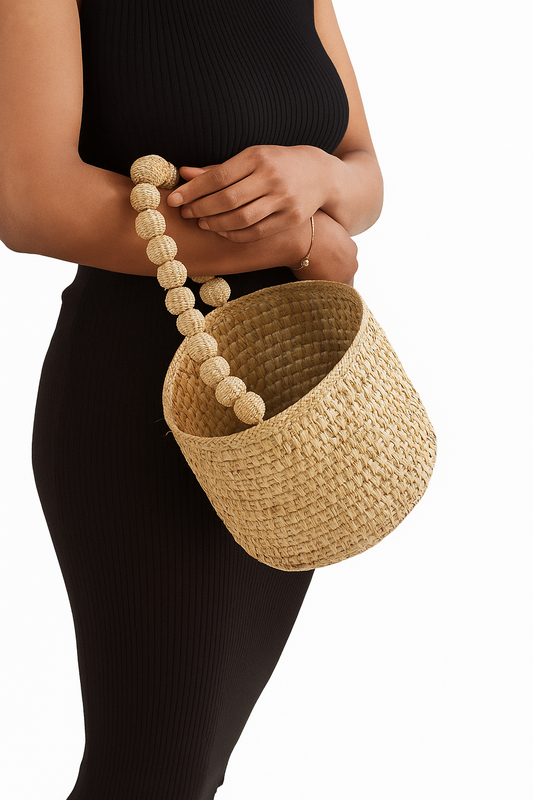
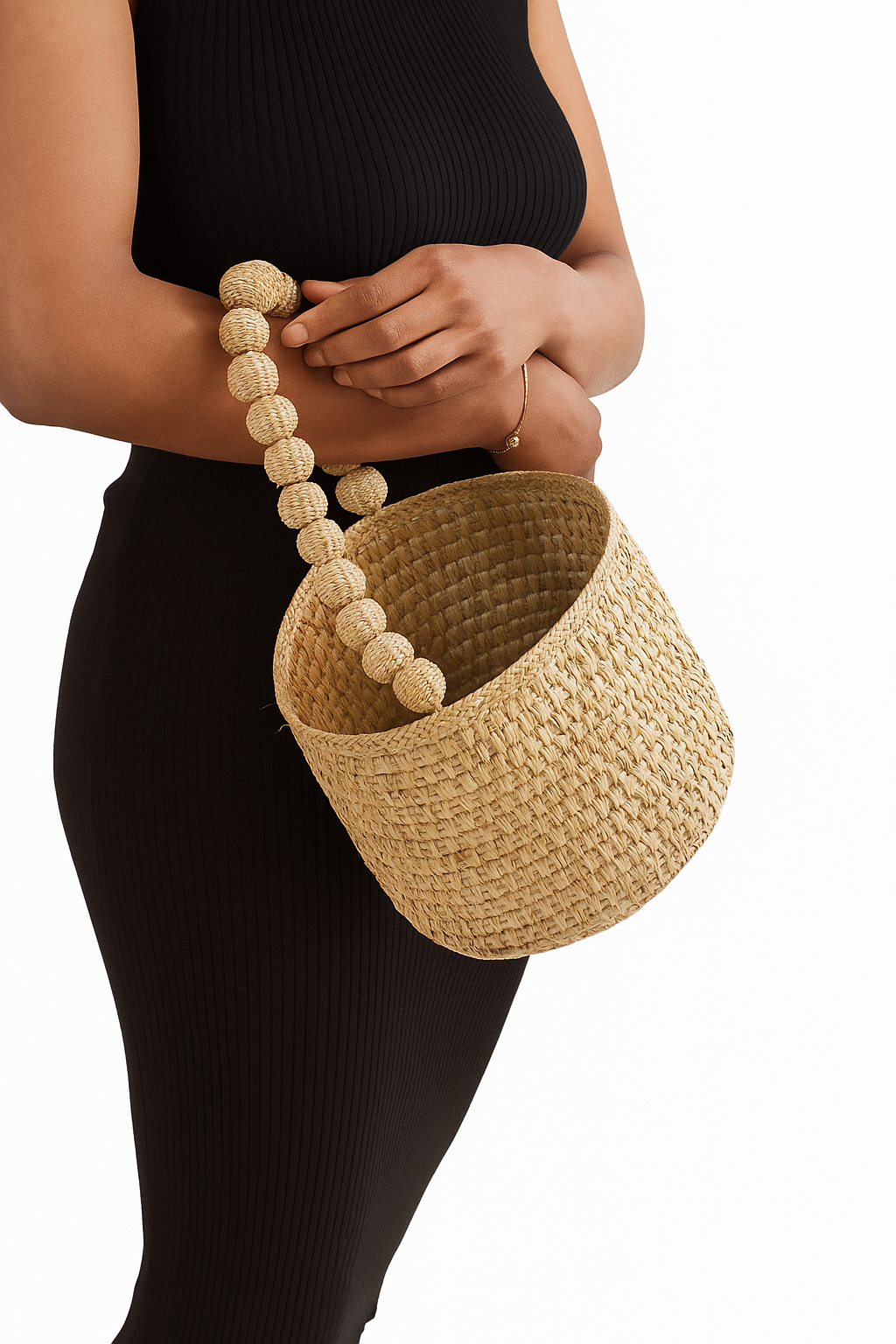
Leticia is one of the most experienced weavers in Usiacurí. She has been working with iraca palm since she was a young girl, learning at the side of the older women in her community, specially from her grandmother. Her specialty is the tight circular weave that gives Ochabe's round bags their distinctive structure. When you pick up one of our circle handle bags and feel how perfectly even the weave is — that is Leticia's hands at work.
Dana — Detail Specialist, Usiacurí
Atlántico, Colombia
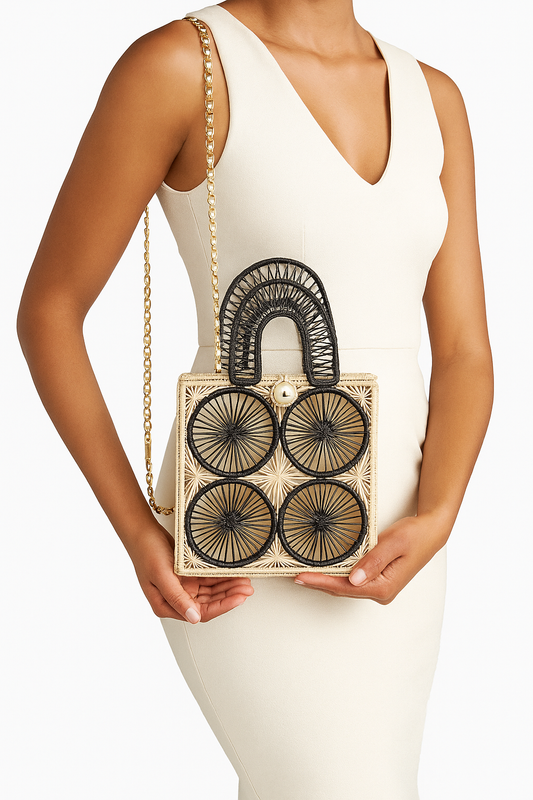
Dana has a gift for the smallest details — the finishing touches that turn a good piece into a beautiful one. She handles the edges, the closures, and the intricate decorative elements that make each Ochabe piece feel complete. Dana is also one of the youngest members of the Usiacurí team, and she represents exactly what Ochabe is committed to: keeping this craft alive in the next generation.
Camila — Color and Texture, Sandoná
Nariño, Colombia
Camila works in Sandoná and specializes in the dyed pieces — the bags and earrings where iraca palm is transformed with color while maintaining its natural texture. She has an exceptional eye for combinations, and many of Ochabe's most vibrant colorways are born from her instincts. Camila also teaches weaving to younger women in her community, passing down what she knows with the same generosity with which she received it.
Enedys — Structure and Form, Usiacurí
Atlántico, Colombia
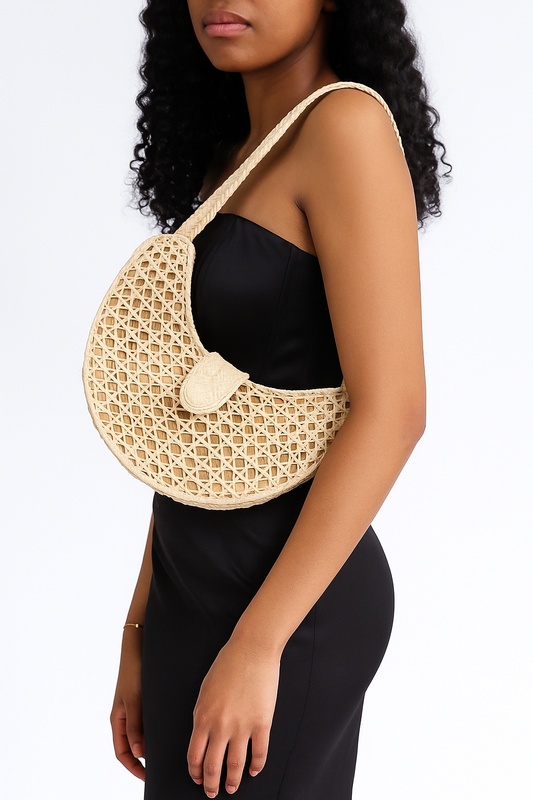
Merledys is the architect of the group. She specializes in the structural pieces — the bags that need to hold their shape, maintain their form through daily use, and still feel beautiful. She is the reason the Caramali crossbody bag keeps its shell shape so perfectly, no matter how much you put inside it.
Patricia — Foundation Weaver, Sandoná
Nariño, Colombia
Patricia has been weaving for over twenty years and is one of the most respected artisans in Sandoná. Her role in the Ochabe process is foundational — she creates the base structures from which other artisans build. Without Patricia's precision, the final piece would not hold. She rarely gets the visible credit, but every Ochabe weaver knows: the piece starts with Patricia.
Sandra — Earring Artisan, Usiacurí
Atlántico, Colombia
Sandra specializes in jewelry — particularly earrings. Working at the small scale required for wearable pieces demands a different kind of patience and control than bags or home goods. Sandra has it. Her iraca palm earrings are so finely woven that customers often cannot believe they are made from a natural fiber. She is also the artisan who most closely mirrors the founding vision of Ochabe: beautiful, wearable art that honors the hands that made it.
Lorena — Home Décor Weaver, Sandoná
Nariño, Colombia
Lorena leads the home décor line. Her placemats, baskets, and decorative pieces bring the same artisan quality that Ochabe is known for in fashion into the home. Lorena is meticulous — every piece she creates is even, intentional, and built to last. She often says that a well-made placemat is as much a piece of art as any jewelry. After seeing her work, it is hard to disagree.
 Young artisans and master weaver — Usiacurí, Atlántico, Colombia
What It Really Means to Be a 'Women-Made' Brand
The phrase 'women-made' gets used a lot in ethical fashion. But at Ochabe, it is not a marketing label. It is a description of our entire supply chain.
Every step of the process — from harvesting the iraca palm shoots before they unfurl, to processing the fiber, to weaving the final piece — is done by women. Women who have learned this craft from the women before them, who are teaching it to the women after them.
These are not factory workers. They are skilled professionals — master craftswomen — whose expertise took years to develop and cannot be replicated by any machine. When you choose Ochabe, you are choosing to recognize that expertise with a fair price and a real market.
Our founder Ana María Márquez built Ochabe specifically to create that connection — between the women who make and the women who wear. Between Colombia and the world. Between a centuries-old tradition and the modern woman who values what is real.
The Economics Behind Every Purchase
We believe in transparency. So here is what we can tell you about the economic impact of your Ochabe purchase:
Every piece sold through Ochabe means a direct payment to the artisan who made it — not a factory owner, not an intermediary, but the woman whose hands created it. Fair wages in communities where artisan work is one of the primary income sources for families.
Beyond wages, Ochabe commits 5% of every purchase to supporting artisan education — skills training, workshops, and programs that help the next generation of weavers build sustainable livelihoods from their craft.
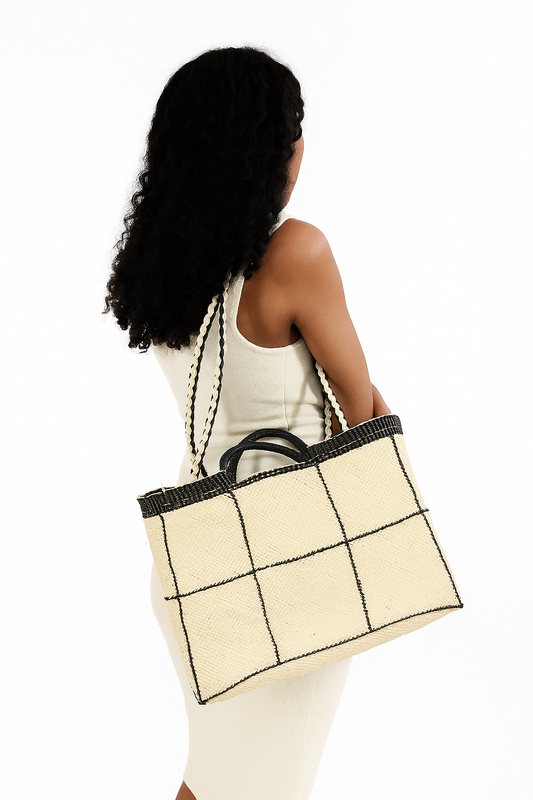
When you buy one Caramali bag, you are not just buying a bag. You are participating in an economy that values skill, honors tradition, and believes that the women of Usiacurí and Sandoná deserve access to a global market.

Caramel bag - Bestseller from Ochabe store
How You Can Support These Women Beyond Your Purchase
Buying is powerful. But there are other ways to support the artisans behind Ochabe:
Share their story — every time you wear your Ochabe piece and someone asks about it, tell them. Tell them about Leticia, about Sandra, about the women of Usiacurí. Word of mouth is still the most powerful marketing in the world.
Follow along — on our Instagram @ochabestore, we share behind-the-scenes content from the weaving communities. Engaging with that content (likes, comments, shares) helps more people discover the brand and, by extension, the artisans.
Write a review — honest reviews from real customers help boutique buyers and new shoppers trust what we do. If you love your piece, tell people why.
These Are the Hands Behind Your Ochabe
The next time you reach for your Ochabe bag or put on your iraca earrings, we hope you think of them. Leticia finishing the edge of a circle bag in the early morning light. Dana adding the final touch to a closure. Lorena placing the last strand of a placemat with the same care she gives every piece.
They are not a footnote in our story. They are the story.
And now, they are a part of yours too.
 Young artisans and Ochabe founder — Barranquilla, Atlántico, Colombia
Want to wear their work?
Shop the Ochabe Collection at ochabe.com →
👜 Handwoven bags | 💛 Artisan earrings | 🌿 Home décor — all made by the women of Colombia