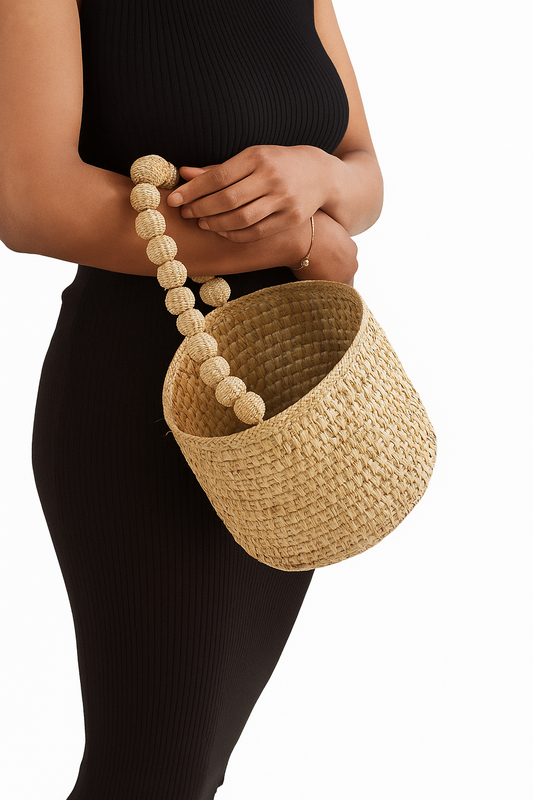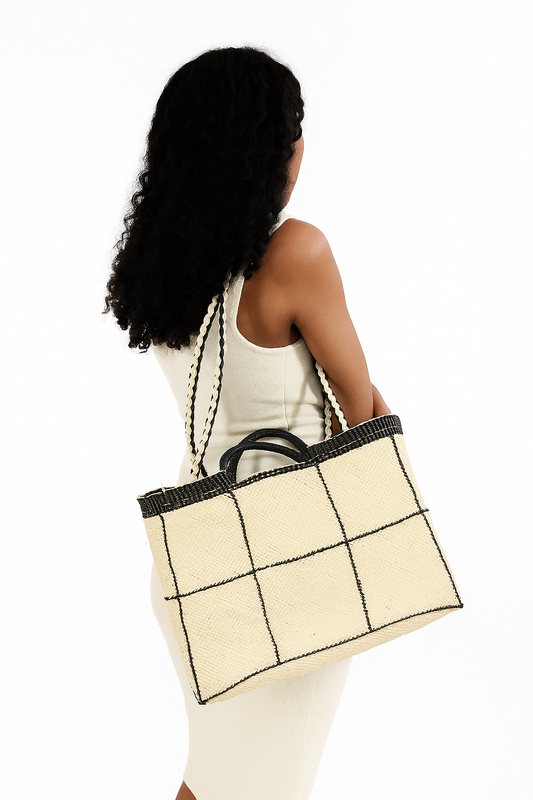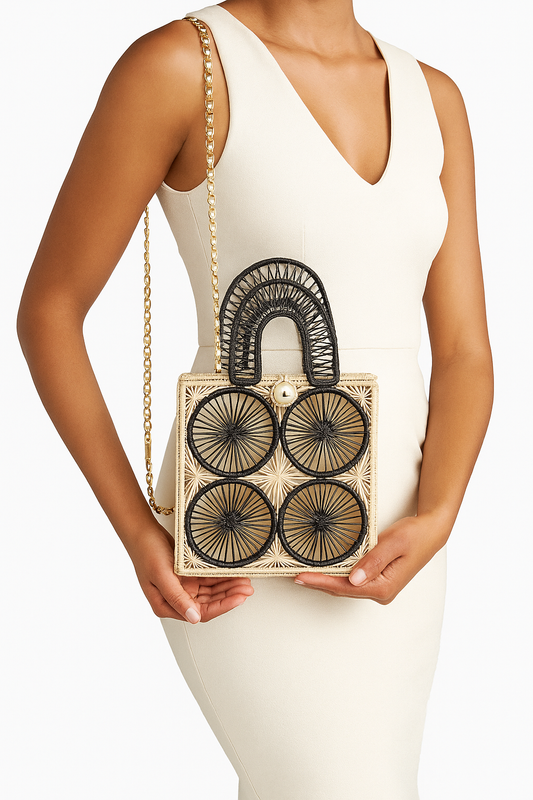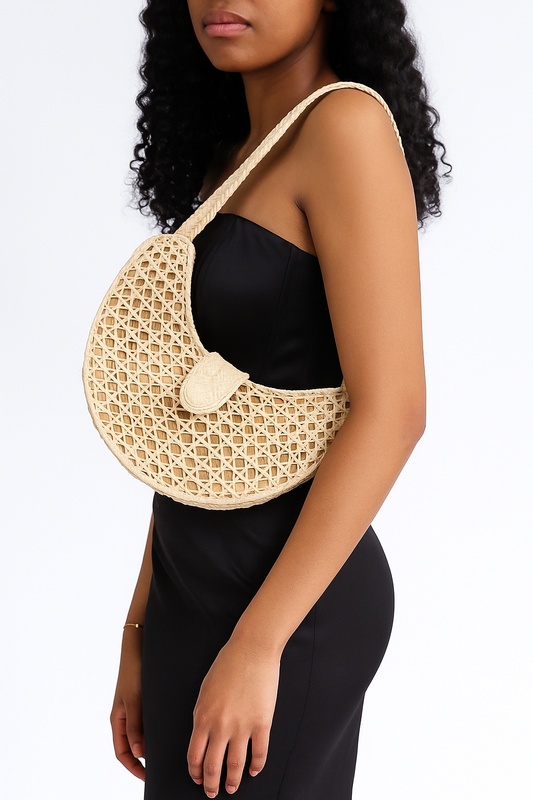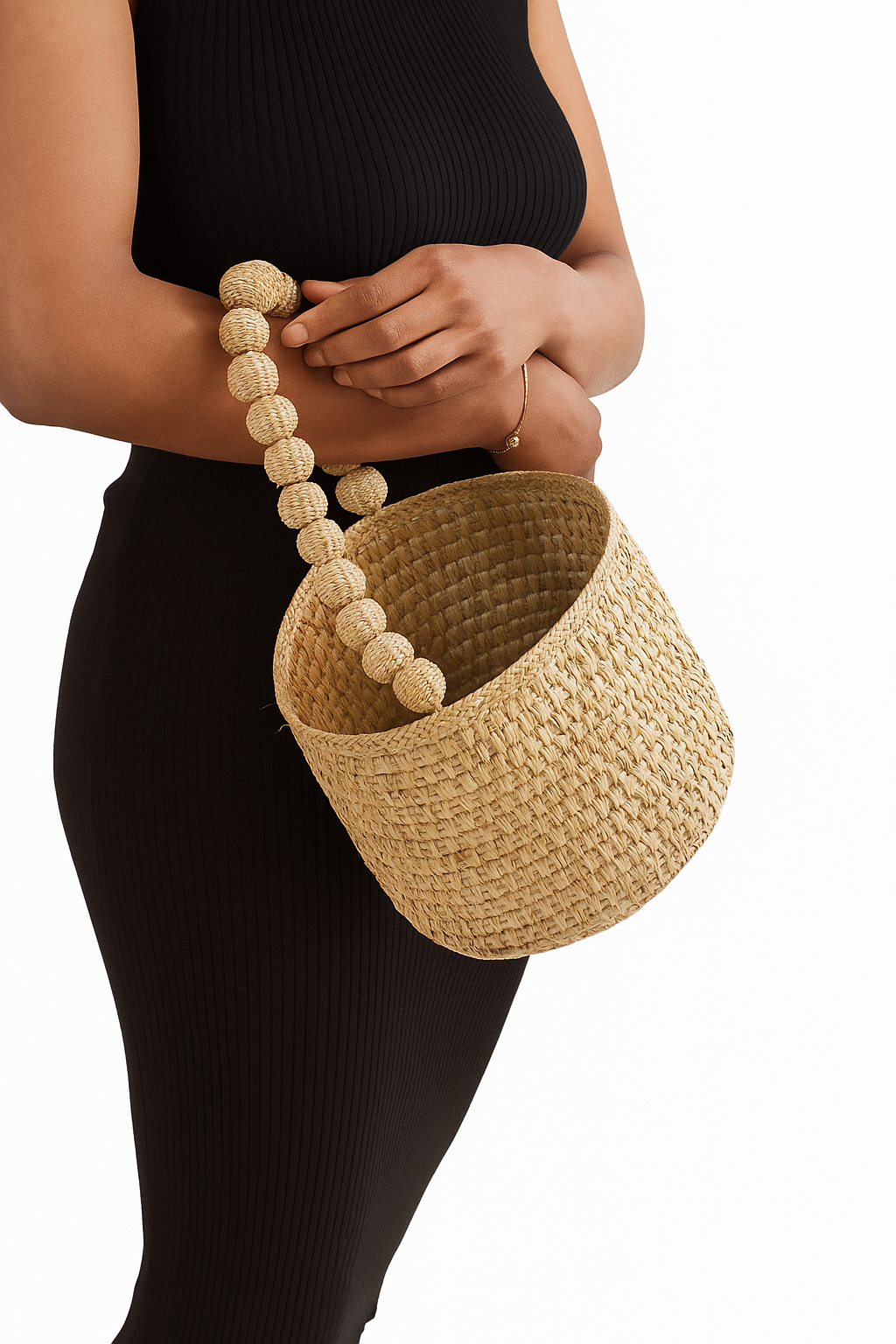

Luxury used to mean a logo. Today, it means something deeper — craftsmanship, story, and a connection to the hands that made what you carry.
Handwoven bags made from natural fibers like iraca palm sit at the exact intersection of beauty and responsibility. They are not mass-produced, they are not synthetic, and they are not disposable. Here are five reasons handwoven bags deserve a permanent place in your wardrobe — and why they represent the future of what luxury really means.

Artisan from Colombia, Ochabe's family
1. They Are Made by Hand, Not by Machines
Every handwoven bag begins with a person — not an assembly line. A skilled artisan selects the fiber, prepares it, and weaves it strand by strand into a finished piece. No two bags are exactly identical, because no two human hands work in exactly the same way.
This is the opposite of fast fashion's mass production model, where thousands of identical bags roll off a factory line in minutes. A single handwoven bag can take anywhere from several hours to several days to complete, depending on its complexity.
When you carry a handwoven bag, you are carrying actual human skill and time — something that cannot be replicated by a machine, no matter how advanced.
2. They Are Made From Renewable, Biodegradable Materials
Most luxury bags on the market are made from leather (which requires significant water and land resources) or synthetic materials like PU and PVC (which are essentially plastic and never fully biodegrade).
Handwoven bags made from natural plant fibers — like iraca palm — come from a completely different supply chain. These plants regenerate quickly, require no industrial farming, and at the end of the bag's life, the material returns to the earth without leaving microplastics or toxic residue behind.
Choosing a handwoven natural-fiber bag means choosing a product whose entire life cycle respects the planet — from growth, to use, to decomposition.
3. They Support Real Livelihoods, Not Corporate Supply Chains
Behind every handwoven bag is usually an independent artisan or a small weaving cooperative — not a factory owned by a multinational corporation. That distinction matters enormously for where your money actually goes.
When you buy from a brand that works directly with artisan communities, a meaningful portion of what you pay reaches the person who made your bag. Compare that to fast fashion, where factory workers often receive a small fraction of the bag's final retail price.
Buying handwoven is buying into an economy that values skill and pays for it fairly — not one built on minimizing labor costs at any human expense.
4. They Are Built to Last — Not Built to Be Replaced
Fast fashion is designed around obsolescence — pieces that fall apart after a season so you buy more. Handwoven bags are the opposite. Natural fibers like iraca palm are remarkably strong, and traditional weaving techniques have been refined over centuries specifically because they hold up to daily use.
With basic care — keeping the bag dry and out of direct sustained moisture — a well-made handwoven bag can last for years, developing character and patina rather than falling apart.
In a world obsessed with disposability, a bag that is genuinely built to last is its own form of quiet luxury.
5. They Carry a Story Worth Telling
A logo tells people what brand you bought. A handwoven bag tells people something far more interesting: where it came from, who made it, and what tradition it represents.
Every handwoven Ochabe piece carries the story of Usiacurí or Sandoná, Colombia — towns where iraca palm weaving has been passed down through generations of women. That story becomes part of your story every time you wear it and someone asks, 'where did you get that?'
That is the new definition of luxury: not what a brand says about your bank account, but what your choices say about your values.

Caramali crossbody bag, Ochabe's bestseller
Luxury, Redefined
Sustainable luxury is not a contradiction — it is the most honest version of luxury there is. It asks who made this, what it's made from, and whether it will last. Handwoven bags answer all three questions beautifully.
The next time you're choosing between a mass-produced bag and a handwoven one, remember: you're not just choosing an accessory. You're choosing whose hands you want behind what you carry.
Ready to carry a story?
Shop Handwoven Bags at ochabe.com →
👜 Caramali crossbody | 🌿 Circle handle bags | 🤍 All handwoven in Colombia